










Copyright the Elvis Information Network.
Elvis Presley, Elvis and Graceland are trademarks of Elvis Presley Enterprises.
The Elvis Information Network has been running since 1986 and is an EPE officially recognised Elvis fan club.
 |
 |

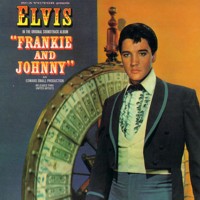
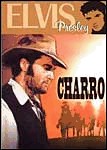
Continuing our look at the four phases of Elvis' diverse and often unfairly maligned film career: Phase 3: 1964 - 1967 "The Formula Period In Decline" KISSIN' COUSINS: Gene Nelson, 1964, 96 minutes TV Guide rating: ** Elvis Presley is Josh Morgan, an Air Force man sent into the backwoods to persuade some locals to sell their land for use as a missile base. Pappy Tatum (Arthur O'Connell), patriarch of a hillbilly family distantly related to Josh, doesn't want to sell and fears that his moonshining business may be upset by the whole deal. Several romantic liaisons develop--between Josh and his "kissin' cousins," between Jodie Tatum (Presley again, in a dual role) and a WAC--and everything works out for the best in the end, with the Air Force getting its land and the Presleys getting their girls. Two Elvises make this already very thin plot even less believable, especially since the story has a way of stopping at just any point to allow Presley to sing. Songs include: "Kissin' Cousins," "There's Gold in the Mountains," "One Boy, Two Little Girls," "Catchin' on Fast," "Tender Feeling" (Bill Giant, Bernie Baum, Florence Kaye), "Smokey Mountain Boy" (Lenore Rosenblatt, Victor Millrose), "Anyone Could Fall in Love with You" (Bennie Benjamin, Sol Marcus, Louis A. DeJesus), "One Is Enough" (Sid Tepper, Roy C. Bennett), "Barefoot Ballad" (Dolores Fuller, Lee Morris), Echoes of Love" (Bob Roberts, Paddy McMains), and "It's a Long Lonely Highway" (Doc Pomus, Mort Shuman). EIN rating: 1.5 stars One of The King's worst movies, Kissin' Cousins exhibits low production values with cheap sets, lousy use of Elvis's double (you can see it's not Elvis in several scenes and and ordinary music soundtrack. Two Elvises is not necessarily better than one. Cousin Jody gets the best lines while Josh is the straightman. The bevy of female co-stars (in scantily clad attire) will please most red-blooded males. Arthur O'Connell is great as Pa Tatum while the Army personnel (with the exception of Josh) are portrayed as humorous if cliched characterisations. The songs are not well integrated to the story line and the hillbilly inspired humour wears thin after the first twenty minutes. Kissin' Cousins Trivia: Kissin' Cousins was filmed in only 16 days in October 1963! TICKLE ME: Norman Taurog, 1965, 90 minutes New York Times: This is the silliest, feeblest and dullest vehicle for the Memphis Wonder in a long time. Levin & O'Hara (authors of Elvis & You - Your Guide to the Pleasures of Being an Elvis Fan): This movie has an unsalvageable script and plot - really the absolute final turning point for Elvis films from amusing and entertaining to beyond the pale. TV Guide rating: ** Penned by Elwood Ullman and Edward Bernds, who wrote many of the Three Stooges features, TICKLE ME is another lackluster Elvis movie offering the usual surfeit of songs culled from previously released Elvis albums, some them written by gifted pop songsmiths Doc Pomus and Mort Shuman, Otis Blackwell, Jerry Leiber, and Mike Stoller. This time around Elvis is Lonnie Beale, a singing rodeo cowboy who lands a job at an exclusive female dude ranch and beauty spa. As expected, in no time Lonnie is involved with Pam Merritt (Jocelyn Lane), a pretty physical trainer, but when she spots her beloved necking with the ranch's owner (Julie Adams), Pam sends Lonnie packing back to the rodeo circuit. Later, however, he learns that a treasure map left to Pam by her grandfather has made her a target for kidnappers. A showdown of sorts occurs in Silverado, the ghost town where the treasure, a stash of gold, has been hidden. Lonnie protects Pam from the onslaught of a group of monsters who turn out to be the deputy sheriff and the ranch's male employees. Songs include "(It's a) Long, Lonely Highway," "Night Rider" (Doc Pomus, Mort Shuman), "It Feels So Right" (Ben Weisman, Fred Wise), "Dirty, Dirty Feeling" (Jerry Lieber, Mike Stoller), "(Such an) Easy Question" (Otis Blackwell, Winfield Scott), "Put the Blame on Me" (Norman Blagman, Kathleen G. Twomey, Wise), "I'm Yours" (Don Robertson, Hal Blair), "I Feel that I've Known You Forever" (Pomus, Alan Jeffreys), and "Slowly but Surely" (Sid Wayne, Weisman). EIN rating: *** OK Tickle Me was shot in only a few weeks, features no original songs and has some other low production values such as crummy back drop scenery and a lame script. Despite this, it is a sexist, laughter filled romp, full of intrique and pretty faces. Reminiscent of formula Hollywood comedies from the 1940s and 1950s the film moves at a lively pace and is fun viewing. The supporting cast deliver good performances and the nine songs are integrated into the story line with mixed success but almost all are solid offerings. Tickle Me Trivia: Tickle Me single-handedly saved Allied Artists from bankruptcy. It became the studio's third highest grossing film behind El Cid and 55 Days At Peking. HARUM SCARUM: Gene Nelson, 1965, 95 minutes TV Guide rating: * Elvis Presley gives one of his weakest performances as a singer-movie star who is kidnaped and taken to an Arab palace, where he is embroiled in a plot to kill the king. The intrigue provided by Gerald Drayson Adams' screenplay is less than intriguing, and the laughs are scarce, but there are lots of pretty girls for Elvis to sing to--including Mary Ann Mobley and Fran Jeffries. Despite its patent absurdity and incompetent execution, HARUM SCARUM made piles of money for Presley and MGM. Songs include "Harum Scarum" (Peter Andreoli, Vince Poncia, Jr., Jimmie Crane), "Golden Coins," "Go East, Young Man," "Shake That Tamborine," "Animal Instinct," "Wisdom of the Ages," "Mirage" (Bill Giant, Bernie Baum, Florence Kaye), "Hey Little Girl," "So Close, Yet So Far (From Paradise)" (Joy Byers), "My Desert Serenade" (Stanley Jay Gelber), "Kismet" (Sid Tepper and Roy C. Bennett). EIN rating: ** If you rated movies based on the actors costumes, Harum Scarum (aka Harem Holiday in Europe) would get at least ****. However, despite wonderful costumes, a weak script and some average performances bring this one down to earth. At least Elvis looks great as do his female co-stars. The music is variable with a stand out track being So Close, Yet So Far From Paradise. Elvis as Rudolph Valentino had plenty of potential. It is a great pity that the right resources weren't directed to this end. GIRL HAPPY: Boris Sagal, 1965, 96 minutes TV Guide rating: ** Presley, leader of a four-piece rock 'n' roll group, lands a job in a Fort Lauderdale nightclub during Easter week, when vacationing collegians take over the town. Sent there by the club's owner, Chicago mobster Stone, Presley is commissioned to keep an eye on Stone's errant daughter Fabares--who is mad about him--during his spare time. Lothario Mioni's attempts to romance the wild wanton involve all in numerous scrapes, which kindly cop, Coogan, attempts to ameliorate. Songs include "Girl Happy" (Doc Pomus, Norman Mead); "Cross My Heart and Hope to Die" (Ben Weisman, Sid Wayne);"Do Not Disturb," "Spring Fever," "Wolf Call" (Bill Giant, Bernie Baum, Florence Kaye); "Do the Clam" (Weisman, Wayne, Dolores Fuller); "Fort Lauderdale Chamber of Commerce," "Puppet On a String" (Sid Tepper, Roy C. Bennett); "I've Got to Find My Baby," "The Meanest Girl in Town" (Joy Byers); "Startin' Tonight" (Lenore Rosenblatt, Victor Millrose). EIN rating: 2.5 stars Routine Elvis vehicle with reasonable acting performances and some pleasing songs. Harold Stone is particularly effective in the supporting cast as the strong minded mobster and father of Elvis's love interest Shelley Fabares. As usual there is a definite spark between the two leads. The film suffers as the Fort Lauderdale setting isn't as glamourous as other locations used in Elvis films. You could, however, watch a lot worse. SPINOUT: Norman Taurog, 1966, 93 minutes TV Guide rating: ** Mike McCoy (Elvis Presley) is that common animal, a successful auto racer and rock singer. Naturally, he has more women than he can handle, including a spoiled millionairess (Shelley Fabares), a Helen Gurley Brown-ish author (Diane McBain), and the drummer in his band (Deborah Walley). Between songs, Mike manages to outrun the gals in his cool custom race cars. Eventually, he rids himself of their pesky attentions by marrying them off to various members of the supporting cast, although a last love interest turns up in the person of his new female drummer (Dodie Marshall). This is a so-so Elvis vehicle; they all tend to blend together to the untrained eye. The big race was filmed at Dodger Stadium. EIN rating: 2.5 stars Enjoyable Elvis vehicle enhanced by some solid performances from a good supporting cast. In particular Diane Bain shines as Diana St. Clair, Carl Betz is just right as Shelley Fabares father, Howard Foxhugh, Warren Berlinger is amusingly annoying as Shelley's other suitor, Philip Short and Cecel Kellaway and Una Merkel sparkle as the good hearted Ranley's. The soundtrack is quite good with some solid performances by Elvis on up-tempo songs including Smorgasbord; Stop, Look and Listen and Beach Shack. PARADISE, HAWAIIAN STYLE: Michael Moore, 1966, 91 minutes TV Guide rating: ** Presley plays an airline pilot who loses his job because of his wild ways. He goes to Hawaii and joins his old pal Shigeta to form a charter helicopter service. He hires the pretty Leigh as secretary, but continues his playboy ways. While transporting some dogs, Presley is momentarily distracted and accidentally dips his helicopter, forcing the car of an FAA official to go into a ditch. The incident causes Presley's license to be suspended. He is supposed to wait until a hearing before he can fly again, but violates the order when Shigeta breaks his leg and needs to get to a hospital. To compound his problems, Presley's wanton ways catch up with him when a bevy of angry beauties gangs up on him at a party. But all is righted in the end when he wins both the hearing and the affections of his one true love, Leigh. Had anyone else done this film, it might have been passable. Presley had shown he was capable of better quality films early in his career, but this poor attempt to recapture the feeling of BLUE HAWAII (1961) is a major disappointment. His high living was beginning to catch up with him, and he looks overweight and puffy. It's sad to think that the man who once shocked a nation on the "Ed Sullivan Show" was reduced to singing such tripe as "A Dog's Life" and the most un-Presley-like song "Bill Bailey, Won't You Please Come Home?" The film isn't badly made; the direction and script have their entertaining moments. But Presley's great talent was wasted as his career was woefully manipulated by a coterie of yes men. Colonel Tom Parker served as technical consultant on this and other Presley features. In all, Presley sings "Paradise, Hawaiian Style," "Scratch My Back, (Then I'll Scratch Yours)," "Stop Where You Are," "This Is My Heaven" (Bill Giant, Bernie Baum, Florence Kaye), "House of Sand," "Queenie Wahine's Papaya" (Giant, Baum, Kaye, Donna Butterworth), "Datin"' (Fred Wise, Randy Starr, Butterworth), "Drums of the Islands" (Sid Tepper, Roy C. Bennett), "A Dog's Life" (Sid Wayne, Ben Weisman), "Sand Castles" (Herb Goldberg, David Hess, Butterworth), and "Bill Bailey, Won't You Please Come Home?" (Hughie Cannon). EIN rating: 1.5 stars Cheap remake of Blue Hawaii that lacks the strong production values of its original incarnation. The soundtrack is ordinary with no stand out songs or hits! A lack of genuinely funny scenes or interesting plot devices seriously limits the effectiveness of Paradise, Hawaiian Style. Elvis performs OK while the supporting cast is uninspiring (James Shigeta at least tries in his role as Elvis's pal). The soundtrack is uninspiring. Enough said, put on Blue Hawaii for the real thing. FRANKIE AND JOHNNY: Frederick de Cordova, 1966, 87 minutes Boxoffice: A Lavish, Fast-Moving Musical Spectacular! TV Guide rating: ** Another mediocre Presley vehicle, this one based on the famous title song, FRANKIE AND JOHNNY, stars Elvis as Johnny, a singer on a Mississippi riverboat. His singing partner and girl is Frankie (Donna Douglas, of TV's "Beverly Hillbillies"), who refuses to marry him until he gives up gambling. When Johnny meets redhead Nellie Bly (Nancy Kovack), she appears to bring him good luck in games of chance, but Frankie is less than pleased, considering Nellie a rival. Although the jealous Frankie inadvertently shoots her true love during the fateful title tune, he lives to sing again. Directed by Fred de Cordova, of BONZO GOES TO COLLEGE and "The Tonight Show" fame. Songs include "When the Saints Go Marching In," "Look Out Broadway" (Fred Wise, Randy Starr), "Shout It Out" (Bill Giant, Bernie Baum, Florence Kaye), "Frankie and Johnny" (new words and arrangement by Fred Karger, Alex Gottlieb, Ben Weisman), "Chesay" (Weisman, Syd Wayne, Karger), "Come Along" (David Hess), "Petunia," "The Gardner's Daughter," "Beginner's Luck" (Sid Tepper, Roy C. Bennett), "What Every Woman Lives For" (Doc Pomus, Mort Shuman), "Everybody Come Aboard" (Giant, Baum, Kaye), "Hard Luck" (Weisman, Wayne), and "Please Don't Stop Loving Me" (Joy Byers). EIN rating: 2.5 stars A handsomely shot Elvis costumer! Frankie and Johnny oozes good production values with its riverboat setting, great costumes and free flowing direction. The soundtrack is pleasant without being outstanding, but most of the songs are integrated well with the storyline (even the dreadful Petunia, The Gardener's Daughter). Elvis is effective as gambler Johnny, The Beverly Hillbillies Donna Douglas does Frankie justice, while Nancy Kovack shines as the 'evil' Nellie Bly. Harry Morgan (Colonel Potter from MASH and earlier in Dragnet) as Elvis's close friend Cully amusingly plays off his screen wife Peg (Audrey Christie). Frankie and Johnny compares very well to other Hollywood costumers from the late 50s and early 60s. It is an enjoyable light comedy, well acted and spirited - worth a new look now that it has been released on DVD. EASY COME, EASY GO: John Rich, 1967, 95 minutes TV Guide rating: ** Another mediocre Presley vehicle stars the rock 'n' roll idol as a Navy frogman who, with the help of yoga student and go-go dancer Marshall and washed-up nautical expert McHugh, uncovers a valuable cargo of gold from a sunken Spanish ship. As it turns out, the pieces-of-eight are only worth about $4,000 and Elvis-the-frogman graciously donates it to an arts center to impress Marshall. Songs "Easy Come, Easy Go" (Sid Wayne, Ben Weisman), "The Love Machine" (Gerald Nelson, Chuck Taylor, Fred Burch), "Yoga Is As Yoga Goes," "Sing, You Children" (Nelson, Burch), "You Gotta Stop" (Bill Giant, Florence Kaye, Bernie Baum), and "I'll Take Love" (Dee Fuller, Mark Barkan). EIN rating: 2.5 stars A formula Elvis movie with a difference. It is easy to dismiss Easy Come, Easy Go as a mediocre Elvis vehicle. However, the inclusion of an up-tempo and almost Latin flavoured soundtrack, some catching acting performances and a good script lift this movie above many other Elvis vehicles. The hippy sub-text in Easy Come, Easy Go works well and the action scenes aren't too bad. Admittedly, the underwater scenes that were good at the time are by today's film standards lacklustre. Elvis is OK but there are stand-out performances from Elsa Lanchester as Madame Neherina and Frank McHugh as the retired sea mariner, Captain Jack. I also noticed that Pat Priest managed to fill out her bikini very nicely (OK I know that's a sexist statement). DOUBLE TROUBLE: Norman Taurog, 1967, 91 minutes TV Guide rating: * One of the worst of the Elvis Presley vehicles, DOUBLE TROUBLE contains nothing memorable, not even hit songs. Elvis is Guy Lambert, an American singer touring Europe, with British teen Jill (Annette Day) and woman of the world Claire (Yvonne Romain) chasing after him. Also chasing him are two jewel thieves (Chips Rafferty and Norman Rossington), who've stashed stolen loot in his luggage, and a trio of goofy detectives played by the Wiere Brothers. Songs: "Double Trouble" (Doc Pomus, Mort Shuman), "Baby, If You'll Give Me All of Your Love" (Joy Byers), "Could I Fall in Love?" (Randy Starr), "Long-Legged Girl" (J. Leslie McFarland, Winfield Scott), "City by Night" (Bill Giant, Florence Kaye, Bernie Baum), "Old MacDonald Had a Farm" (arranged by Starr), "I Love Only One Girl" (Sid Tepper, Roy C. Bennett), "There's So Much World to See," "It Won't Be Long" (Sid Wayne, Ben Weisman), "Blue River" (Paul Evans, Fred Tobias), "What Now, What Next, Where To?" (Don Robertson, Hal Blair) and "Never Ending" (Buddy Kaye, Philip Springer). EIN rating: * My least favourite Elvis movie. Its very low production values (cheap sets, no location shooting, weak script etc etc) really let this one down. Elvis ambles through his lines, Annette Day (in her screen debut!) tries hard and The Wiere Brothers add some much needed comedy to proceedings. It's also nice to see an Aussie, Chips Rafferty, in an Elvis movie. His partner in crime, Norman Rossington, would later achieve fame as Rigsby in the British TV comedy Rising Damp. The music is very mixed. Elvis singing Old MacDonald's Farm has to be the absolute low point of all Elvis movies! The bonus songs on the soundtrack album, Blue River and Never Ending, are great mid 60's Elvis pop tunes. What a great pity they weren't included in the film. CLAMBAKE: Arthur H. Nadel, 1967, 100 minutes Motion Picture Herald: Flashy showmanship, scads of pretty girls…and ELVIS! TV Guide rating: ** One of many routine musicals Elvis Presley ground out during the 1960s. Scott Heyward (Presley) is a rich Texas oil heir who switches roles with a poor Miami ski instructor (Will Hutchins) to see whether the rich guy can win love without the aid of his money, cars, and fancy clothes. In Florida, Scott falls for his first student, Dianne Carter (Shelley Fabares), who has come to the sun and fun capital in search of a rich husband and has attracted the attentions of playboy boat racer James Jamison III (Bill Bixby). To prove his worth, Scott helps Sam Burton (Gary Merrill) design a special racing boat, then bravely drives the untested craft in a big race. Of course he sings several tunes, including "Clambake" (Sid Wayne, Ben Weisman), "Who Needs Money?" "The Girl I Never Loved" (Randy Starr), "Confidence," "A House That Has Everything" (Sid Tepper, Roy C. Bennett), and "Hey, Hey, Hey" (Joy Byers). EIN Rating: 2.5 stars Colourful and fast paced, Clambake is an easy going film where The Prince and the Pauper plot works well and there are strong performances by James Gregory as Elvis's father and TV's Sugarfoot, Will Hutchins. Look for a mustacioed Lee Majors as a waiter. The music is stronger than in other Elvis films of the period and includes the wonderful You Don't Know Me and a haunting version of The Girl I Never Loved. By all accounts Elvis did not enjoy making Clambake and if this is true it certainly doesn't show. The much maligned Confidence scene stands up well against similar scenes in non-Elvis musicals. The recently released DVD version of Clambake features crisp, clear visuals and strong audio. Check it out. Clambake Trivia: Before filming Clambake, Elvis tripped over a television cord in the bathroom of his Bel Air home. His severe concussion delayed the start of filming by several weeks. Phase 4: 1968 - 1969 "A Change of Habit Too Late" STAY AWAY, JOE: Peter Tewksbury, 1968, 101 minutes MGM publicity: Elvis goes West…and the West goes wild! TV Guide rating: * Even die-hard Elvis fans will have a tough time accepting "The King" as a half-breed Native American with Meredith as his full-blooded dad. Presley convinces a congressman to permit them to raise a herd of cattle in exchange for US government assistance on their Arizona reservation. Presley has some trouble distinguishing the bulls from the cows, but eventually he gets the job done. When not rustling, he's singing and running around with dopey Dean, the daughter of strict tavern owner Blondell. EIN rating: *** Yes, Stay Away, Joe is racist, sexist and contrived (if one considers when it was made it's really not that offensive although in these much more politically correct times it's anathema). However, beyond these imperfections lies a fast paced, funny and enjoyable romp of a movie. Elvis appears for a second time as a half-breed Indian and handles his role with ease, without extending himself beyond a light comedy touch. Burgess Meredith is hilarious as his alcoholic father and Katy Jurado shines as his pragmatic, down-to-earth step-mother. Stay Away, Joe is a fun comedy-drama. Take it too seriously (as many critics have) and you miss the point. Stay Away, Joe Trivia: Elvis's portrayal of Joe Lightcloud was nominated in the 1980 Golden Turkey awards. Elvis and two other actors lost out to none other than Oscar winner, Marlon Brando. Brando won for his portrayal of an Okinawan in The Teahouse of the August Moon. His award: 'The Most Ludicrous Racial Interpretation in Hollywood History'. Probably just as well Elvis lost. SPEEDWAY: Norman Taurog, 1968, 92 minutes TV Guide rating: ** Elvis Presley again plays a successful racer (see SPINOUT, below) in this, his 27th film. Presley is nice guy who gives most of his stock car winnings away while still managing to sustain an opulent rock'n'roll lifestyle. Unfortunately, his manager, Bixby, has mismanaged the racer's funds (apparently he lost a lot betting on horses), leaving Presley flat broke. As if that weren't enough, Bixby has also bungled Presley's taxes, which sends the boots of Nancy Sinatra, as a miniskirted IRS agent, walkin' to Presley's door. Track scenes were filmed at the Charlotte Speedway in North Carolina. Presley appendages the Jordanaires (as backup singers) and Col. Tom Parker (as "technical advisor") again lend their dubious support here. Songs include "Your Groovy Self" (Lee Hazelwood, sung by Sinatra), "Speedway," "He's Your Uncle, Not Your Dad," "Who Are You? (Who Am I?)," "Let Yourself Go," "Your Time Hasn't Come Yet, Baby," "There Ain't Nothing Like a Song," "Five Sleepy Heads," "Western Union," "Mine," "Goin' Home," and "Suppose" (Mel Glazer, Stephen Schlaks, sung by Presley). EIN rating: ** Elvis, racing cars, the Incredible Hulk, the tax man and Frank Sinatra's daughter Nancy. These are just some of the ingredients in another routine Elvis vehicle. Easy to watch but not among Elvis's best. Sinatra is good in her role as the IRS agent and Bill Bixby shows his comedic flair as Elvis's manager who has mismanaged Elvis's tax affairs. Gale Gordon (from The Lucy Show) as Nancy Sinatra's 'by the book' boss and William Schallert (The Patty Duke Show) as the harried widowed father of five young ones shine in their roles. The music is mixed - I hated He's Your Uncle, Not Your Dad and Five Sleepy Heads, but Your Time Hasn't Come Yet Baby and Suppose are great. Watching Speedway, it is obvious how tired the Elvis movie formula was getting in 1968. Speedway Trivia: British singer and actor, Petula Clark, was originally offered Nancy Sinatra's part in Speedway. She declined the offer. LIVE A LITTLE, LOVE A LITTLE: Norman Taurog, 1968, 89 minutes TV Guide rating: 1.5 stars Presley put his public image on the line by playing a Playboy magazine-type photographer who occasionally says "dammit." The character also has a second job--in the same building and at the same time--working for a strict, conservative publisher. He manages to juggle his schedules and coffee breaks, but not for long. His life becomes more complicated when he falls in love with model Carey, who leaves him but later returns. Songs include "Almost in Love" (Randy Starr, Luiz Bonfa), "A Little Less Conversation" (Billy Strange, Scott Davis), "Edge of Reality" (Bill Giant, Bernie Baum, Florence Kaye), and "Wonderful World," all sung by Presley in his 28th film. EIN rating: *** I don't care if the critics didn't like Live a little, Love A Little. I do. Elvis's great flair for light comedy is well demonstrated in this light-hearted and funny quasi-adult sex farce (an attempt to modernise the Elvis film image). My God, Elvis seen in bed with his co-star! Former singing star, Rudy Vallee is a great foil for Don Porter while Michelle Carey had to be of Elvis's most attractive (read sexy) female co-stars. The script is variable but still allows Elvis's flair for light comedy to shine through. The psychedelic scene encompassing Edge Of Reality didn't quite grab me but the song is wonderful. Overall, Live A Little, Love a Little is well constructed, does not take itself seriously and has some genuinely funny moments (and characters - Sterling Holloway as Bernice's milkman is terrific and Bewitched's Dick Sergent is quietly effective as Bernice's long suffering former lover). Sure Live a little, Love A Little no brain candy but it leaves you feeling good. What more can you ask for after watching an Elvis movie, or for that matter any movie? CHARRO!: Charles Marquis Warren, 1969, 98 minutes MGM publicity: On his neck he wore the brand of a killer. On his hip he wore vengeance. DVD publicity: An outlaw with a conscience who tries to break free from the clutches of a notorious gang. TV Guide rating: * This uninspired western features Presley in a rare dramatic role that is just too much for him to handle. Presley plays a reformed bandit, captured by his old gang who frames him for the heist of a jewel-encrusted Mexican cannon. Sturges, cast as the outlaw leader's brother, is the son of director Preston Sturges. EIN Rating: ** Charro is an interesting change of pace for Elvis. A spaghetti western, it fails to deliver as strongly as the Clint Eastwood films of the same genre but nevertheless has its moments. Devoid of songs apart from the title track, the film is helped by a great incidental music score by Hugo Montenegro. Elvis performs well as the bearded former outlaw wrongly accused and Michael Landon's sidekick in both Little House On The Prairie and Highway To Heaven, Victor French, is strong as the vicious gang leader. Elvis's love interest, Ina Balin, has a nice role that elevates her beyond just being very pleasant 'eye candy'. While Charro was widely panned at the time of its release it deserves another look. Beware - the recent DVD release is a straight from video to DVD transfer with murky visuals and crackly audio. THE TROUBLE WITH GIRLS (and how to get into it): Peter Tewksbury, 1969, 97 minutes TV Guide rating: * The former king of rock and roll had taken a mighty deep fall by the time of this release. Presley is woefully miscast as the manager of a traveling educational-theater group circa 1927. He's got a hankering for Mason, a member of the company who's trying to unionize the players. When the company arrives in a small Iowa town, Mason picks local kid Jones (of TV's "Family Affair") to appear with the group. This upsets local politicos, who expected one of their own kids to appear with the company. Coleman, in one of his early roles, plays a sneering pharmacist who employs Jones's mother, North. When he's found dead, Teague is blamed, but Presley discovers that North is the real murderer. She was distraught after Coleman forced her into an unwanted affair, and Presley convinces the woman to confess. She does and is exonerated of the crime, of course. Because the confession was good promotion for the company, however, Mason is enraged. Presley manages to convince her of his integrity in a nice, standard conclusion, and all ends happily. Presley has little singing to do in what was his next-to-last film and merely goes through the acting motions. He sings "Almost" and "Clean Up Your Own Back Yard" by Scott Davis and Billy Strange, and both are all wrong for Presley's style. It's rather sad to see this giant reduced to such material. The story is unbelievable tripe, and it has bad performances and confusing direction. Surprisingly, period detail is given close attention, making a handsome though hollow movie. The title too is wrong for the story, probably tagged on to cash in on Presley's long-gone reputation. EIN Rating: *** What were the critics thinking? The Trouble With Girls (and How To Get Into It) was pummeled when released, yet it is one of Elvis's finest films. With first rate production values that faithfully re-create the atmosphere of the Roaring Twenties and a solid if (at times) somewhat uninspiring script, The Trouble With Girls is slow moving but engaging. Elvis has never looked better resplendent in white suit and matching hat, and the very strong supporting cast includes Sheree North, aspiring stars Marlyn Mason and Dabney Coleman, veteran actors John Carradine and Edward Andrews and the always interesting Vincent Price. The song list is variable, with a nice version of Almost and the excellent Clean Up Your Own Back Yard. This is a good movie, colourful (the exploding fireworks scene is a cracker!) and interesting (some of the characters and situations are very different) with a well-executed denouement. Like Charro and Change of Habit, The Trouble With Girls was a welcome departure in film style for Elvis. Unfortunately, by the time this change happened, mainstream critics were in 'remote control' mode automatically bagging each new Elvis film as it was released. The Trouble With Girls (and How To Get Into It), despite it's unusual title, is very underrated! The Trouble With Girls Trivia: the film had a long history being first considered for production under the working title Chatauqua as far back as 1961. Glenn Ford was originally considered for the lead part and subbsequently in 1964, comedian Dick Van Dyke's name was put forward. CHANGE OF HABIT: William A. Graham, 1969, 93 minutes TV Guide rating: 1.5 stars If you can believe Elvis as a hip doctor running a free clinic in a Puerto Rican slum, you might like this film. Three nuns leave their habits behind when they come to the tough neighborhood to help out at the clinic. One of them, Moore, becomes attracted to Elvis, and at the fade-out we're left guessing whether she'll give up her calling for the King. In perhaps the film's most disturbing sequence, Moore undresses for bed while an unbalanced teenager lurks in her closet, getting an eyeful. His attempted rape of Moore results in a scene that is especially distasteful, a blatant move by the producers to inject sex into an otherwise plodding film. For an Elvis film, CHANGE OF HABIT is short on songs. They include "Change of Habit," "Let Us Pray" (Ben Weisman, Buddy Kaye), and "Rubberneckin"' (Bunny Warren). EIN Rating: 2.5 stars Change of Habit is the type of film that doesn't age well. Its ghetto location and plot are OK but the clothing, slang and hairstyles exclaim their retro dating. Elvis looks good and acts well opposite Mary Tyler Moore. However, a lack of spark between the two leads compromises what otherwise could have been an interesting 'change of pace' film for The King. Contemporary themes such as rape, autism and an individual's struggle with their faith enhance Change of Habit and while the whole cast try hard the final product just lacks that little something else. The musical highlight is Elvis singing the great rocker, Rubberneckin'. Overall, Change of Habit was a good idea that falls short of the mark. This article was originally written in November 2001 and updated in March 2005. EIN Website content ©
|
|